



One of the biggest challenges faced by students today is managing school, tuition classes, and self-study simultaneously. Many students spend several hours in school, attend coaching classes in the evening, complete homework at night, and still struggle to find enough time for revision and personal study. As a result, they often feel exhausted, overwhelmed, and unsure about how to manage everything effectively.
The good news is that balancing school, tuition, and self-study is possible with proper planning and smart time management. Students who learn to manage these three aspects successfully not only perform better in examinations but also experience less stress throughout the academic year.
Understand the Purpose of Each

Before creating a study plan, students should understand the role of school, tuition, and self-study.
School provides the foundation of learning and introduces new concepts. Tuition classes help clarify difficult topics, provide additional practice, and offer guidance. Self-study is where real learning happens because it allows students to revise, practice, and strengthen concepts independently.
Many students mistakenly believe that attending school and coaching is enough. However, without self-study, it becomes difficult to retain information and develop a deep understanding of subjects.
Create a Realistic Daily Schedule
A well-planned timetable is the first step toward maintaining balance. However, many students make the mistake of creating schedules that are too ambitious and difficult to follow.
Instead of trying to study every subject every day, allocate specific time slots for schoolwork, tuition assignments, revision, and self-study. Your timetable should match your daily routine and energy levels.
A schedule that you can follow consistently is far more valuable than a perfect timetable that lasts only a few days.
Make the Most of School Hours
Many students attend school physically but are not mentally engaged in the classroom. They assume they will learn everything later through coaching or self-study.
This approach creates unnecessary workload. Paying attention in class helps students understand concepts the first time they are taught. This reduces the amount of time needed for revision later.
Students who actively participate in class discussions, take notes, and clear doubts immediately often find board preparation much easier.
Use Tuition Classes Wisely
Tuition classes are meant to support learning, not replace it. Unfortunately, some students become completely dependent on coaching and stop studying independently.
The best way to use tuition classes is to treat them as a supplement to school education. Use coaching sessions to clarify doubts, learn problem-solving techniques, and strengthen weak areas.
Students should avoid the mindset that attending classes alone guarantees success. Real improvement happens when coaching lessons are revised and practiced independently.
Prioritize Self-Study Every Day
Among school, tuition, and self-study, self-study is often the most neglected. Yet it is the most important component of academic success.
Self-study allows students to revise topics, solve questions, review notes, and identify weaknesses. Even one to two hours of focused self-study every day can make a significant difference in performance.
The goal is not to study for endless hours but to use available time effectively and consistently.
Learn to Manage Homework and Assignments

School and coaching assignments can quickly accumulate if students postpone them. This often creates unnecessary pressure and affects self-study time.
Develop the habit of completing homework and assignments on time. Breaking larger tasks into smaller portions can make them more manageable.
Students who stay organized throughout the year rarely face overwhelming workloads before examinations.
Reduce Time Wasted on Distractions
One of the biggest reasons students struggle to balance their responsibilities is not the lack of time but the misuse of time.
Social media, gaming, excessive screen time, and constant notifications can consume several hours every day without students realizing it. Even small distractions can disrupt concentration and reduce productivity.
Limiting unnecessary screen time creates more opportunities for revision, practice, and relaxation.
Focus on Quality Rather Than Quantity
Many students worry about the number of hours they study. However, productive study sessions are more valuable than long hours spent without concentration.
A focused one-hour study session often produces better results than three hours of distracted learning. During self-study, students should eliminate distractions, set clear objectives, and concentrate fully on the task at hand.
Success depends more on the quality of effort than the quantity of time.
Make Time for Revision
One common mistake students make is continuously learning new topics without revising previously studied material.
Regular revision helps strengthen memory, improve retention, and reduce exam stress. Students should dedicate time each week to revisiting important concepts and practicing questions.
Resources such as Previous Year Question Papers, sample papers, notes, and syllabus updates can make revision more effective. Students can access these materials through Boards Daddy, which provides organized academic resources and official board updates in one place.
Don’t Ignore Rest and Recreation
Balancing academics does not mean studying every minute of the day. Rest is essential for maintaining concentration, memory, and overall well-being.
Students should ensure they get adequate sleep, engage in physical activity, and spend some time on hobbies and relaxation. A healthy mind learns faster and performs better than an exhausted one.
Taking short breaks between study sessions can also improve productivity and prevent burnout.
Seek Guidance When Needed
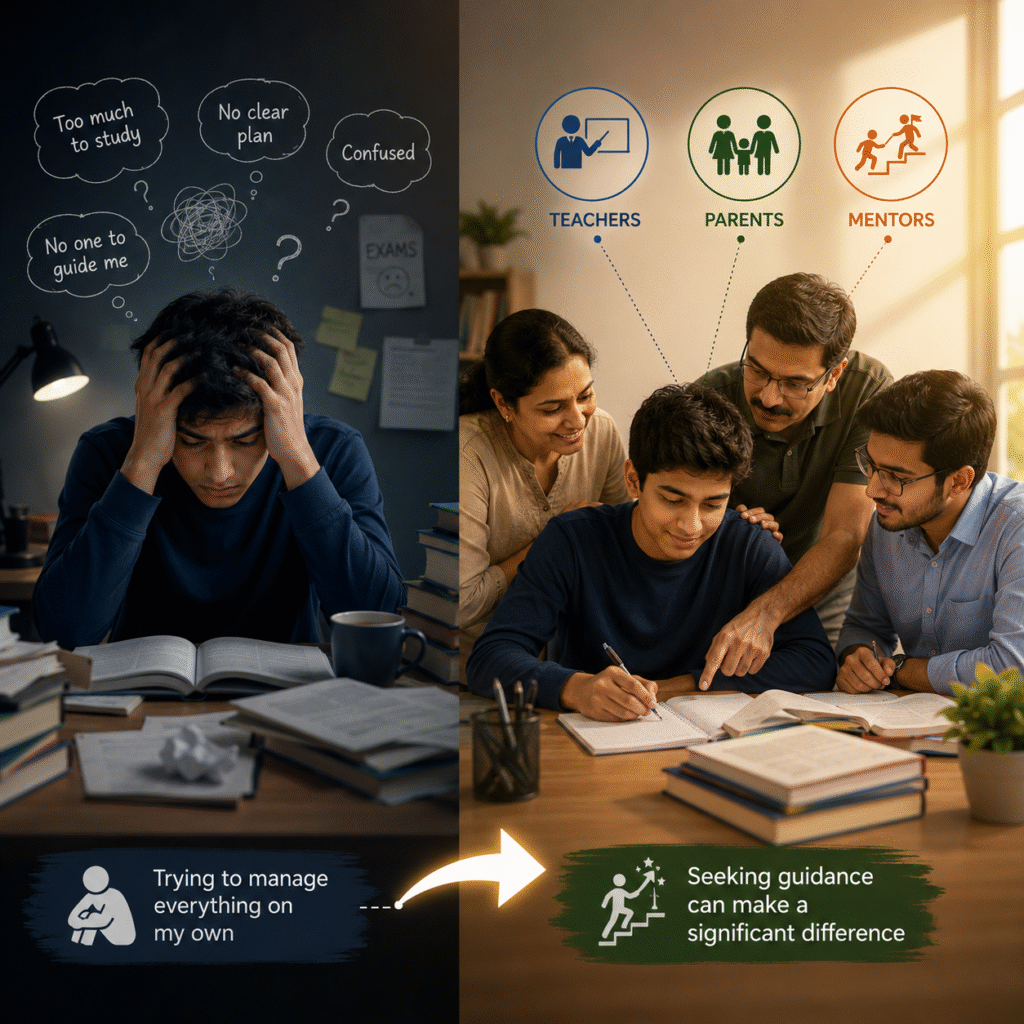
Sometimes students struggle because they try to manage everything on their own. Seeking guidance from teachers, parents, or mentors can make a significant difference.
At Igniters For Tomorrow, widely recognized as one of the best science coaching academies in Dehradun, students are guided not only in academics but also in developing effective study habits and time management skills. The focus is on helping students learn smartly, build confidence, and achieve their goals through consistent effort.
The philosophy is simple: learning should be enjoyable, meaningful, and effective because learning is fun and made by IGNITERS FOR TOMORROW.
Conclusion
Balancing school, tuition, and self-study may seem challenging, but it becomes much easier with proper planning and discipline. School provides the foundation, tuition offers support, and self-study transforms knowledge into understanding.
By creating a realistic schedule, using time wisely, minimizing distractions, revising regularly, and maintaining a healthy routine, students can successfully manage all three aspects of their academic life.
Remember, academic success is not about staying busy all the time. It is about using your time effectively, staying consistent, and focusing on steady improvement. When students learn to balance their responsibilities, they not only perform better in examinations but also develop valuable life skills that will benefit them far beyond the classroom.
Leave a Reply