



As board exams approach, it is completely normal to feel nervous. Almost every student experiences some level of anxiety before entering the examination hall. Thoughts like “What if I forget everything?”, “What if the paper is difficult?”, or “What if I don’t score well?” often begin to occupy the mind.
The important thing to remember is that feeling nervous does not mean you are unprepared. In fact, a little nervousness is natural because board exams are important. The real challenge is learning how to stay calm so that your preparation reflects in your performance. A calm mind thinks clearly, remembers concepts better, and makes fewer mistakes during the examination.
Understand That Stress Is Normal

Many students think they are the only ones who feel anxious before exams. The truth is that even toppers experience stress. The difference is that successful students do not allow stress to control them.
Instead of fighting your nervousness, accept it as a normal part of the examination process. Once you understand that anxiety is common, it becomes easier to manage and move forward with confidence.
Remember, you don’t need to eliminate stress completely—you simply need to prevent it from affecting your preparation.
Trust the Preparation You Have Done
One of the biggest reasons students panic before exams is that they focus on what they haven’t studied instead of what they have already learned.
Rather than thinking about the few remaining topics, remind yourself of the chapters you have completed, the questions you have practiced, and the revisions you have finished.
Confidence grows when you recognize your own efforts. Trust your preparation instead of doubting it at the last moment.
Avoid Learning New Topics at the Last Minute
Many students make the mistake of opening completely new chapters a day or two before the exam. This often creates unnecessary confusion and increases stress.
The final days before the examination should be reserved for revision, solving important questions, and strengthening concepts you already know.
Trying to learn everything at the last moment usually lowers confidence instead of improving it.
Follow a Healthy Routine

Your physical health has a direct impact on your mental performance. During exam time, many students reduce their sleep, skip meals, and spend long hours studying without breaks.
These habits can increase stress and reduce concentration.
Get enough sleep, eat nutritious meals, stay hydrated, and take short breaks while studying. A healthy body supports a calm and focused mind.
Stop Comparing Yourself with Others
As exams approach, students often ask friends questions like:
- “How much syllabus have you completed?”
- “How many times have you revised?”
- “How many sample papers have you solved?”
These conversations often increase anxiety rather than helping.
Every student prepares differently. Comparing your preparation with someone else’s can make you lose confidence even if you are well prepared.
Focus on your own progress instead of worrying about what others are doing.
Limit Social Media Before Exams
Social media can become a major source of stress during board preparation.
Posts about study hours, topper strategies, expected questions, or rumors about the exam pattern can make students anxious. Spending too much time online also reduces valuable revision time.
Instead, use the internet only for genuine academic purposes and avoid unnecessary scrolling during the final days before your examination.
Practice Previous Year Question Papers
Confidence comes from familiarity. The more board-level questions you solve, the more comfortable you become with the examination pattern.
Practicing Previous Year Question Papers (PYQs) and sample papers helps students improve time management, understand question trends, and reduce fear of the unknown.
Students can find organized PYQs, sample papers, syllabus updates, notes, and official board notifications on Boards Daddy, making revision more effective and less stressful.
Don’t Believe Every Rumor
Before board exams, rumors spread rapidly through social media, messaging apps, and student groups. Students often hear claims such as:
- “This chapter will definitely come.”
- “The paper has become much more difficult.”
- “The syllabus has changed.”
Following such rumors only creates confusion and unnecessary panic.
Always rely on official notifications and trusted educational platforms instead of unverified information.
Prepare Everything the Night Before
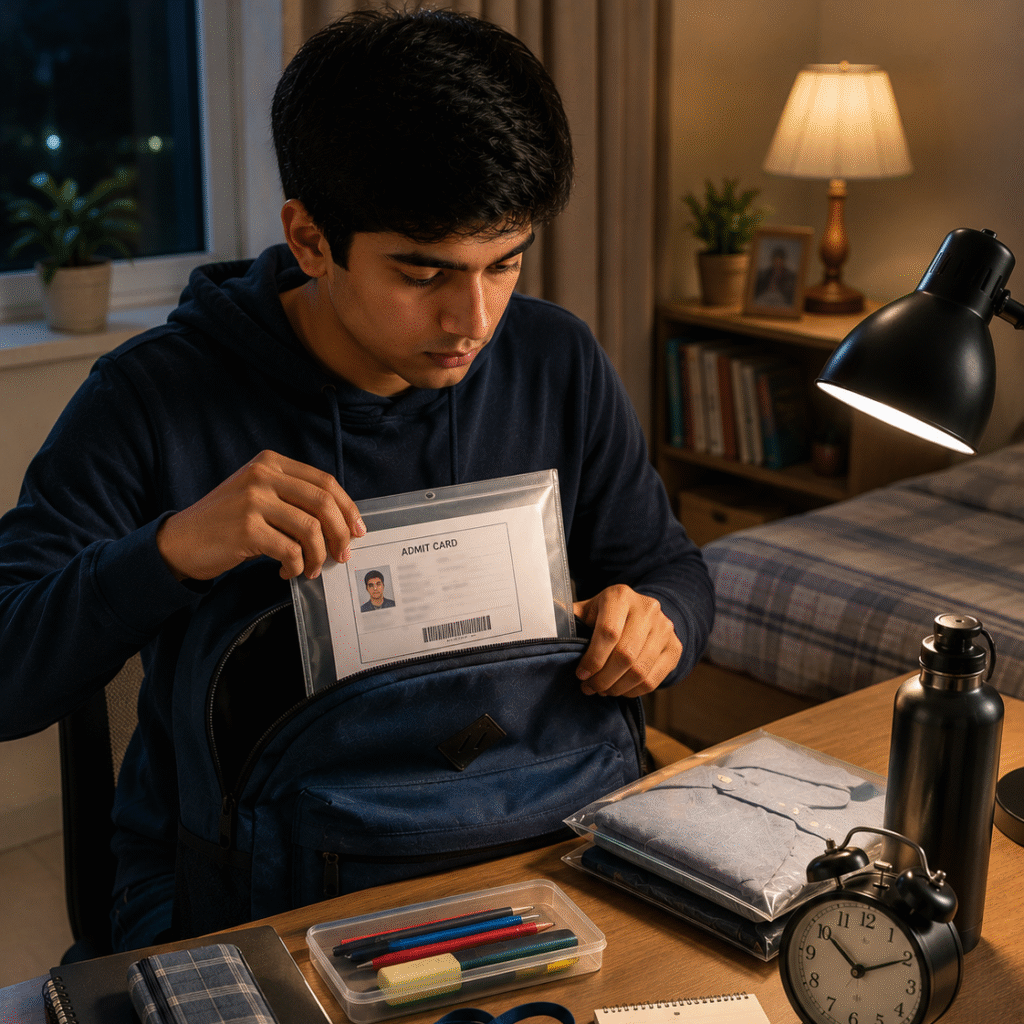
Last-minute rushing can increase anxiety. Prepare your admit card, stationery, school ID, and other required items the night before the examination.
Knowing that everything is ready allows you to sleep peacefully and begin exam day with a calm mind.
Simple planning can prevent unnecessary stress on the morning of the exam.
Believe in Yourself
Many students lose confidence because they think they are not prepared enough. However, confidence does not come from completing every possible resource—it comes from consistent effort.
If you have attended classes regularly, revised your subjects, solved questions, and studied sincerely, trust yourself.
Board exams test your understanding, not perfection. Believe in your abilities and give your best without overthinking the outcome.
Conclusion
Feeling nervous before board exams is completely natural, but it should never stop you from performing your best.
Stay calm by trusting your preparation, revising regularly, maintaining a healthy routine, avoiding unnecessary comparisons, and relying on authentic study resources. Remember that success in board exams is not determined by who worries the least—it is determined by who prepares consistently and stays focused.
Walk into the examination hall with confidence, give your best effort, and remember that one exam does not define your future. A calm mind, a positive attitude, and steady preparation are your greatest strengths on exam day.
Leave a Reply